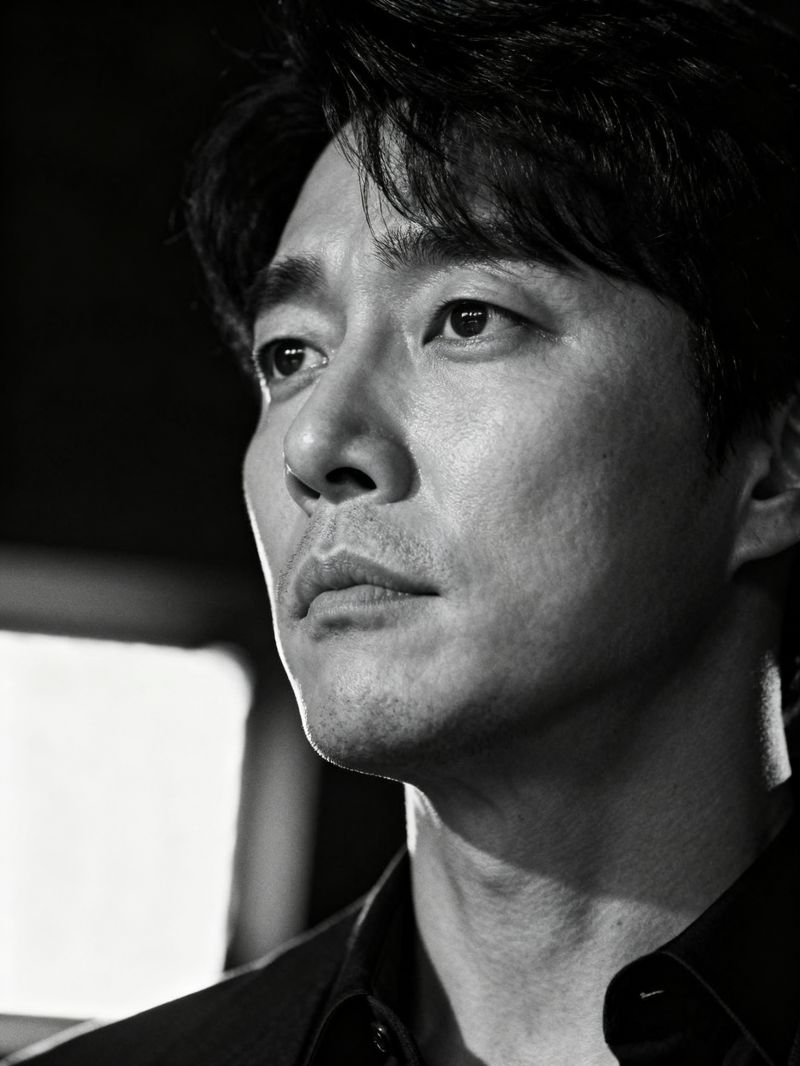
he cast of "The Duel at the Forbidden City" carries the weight of a story set against the imperial walls and hidden courtyards of Beijing. What strikes me first is how the film avoids the usual palace-drama shorthand. The lead actor。playing a disgraced imperial guard, doesn't swagger. He moves with the tired precision of someone who has spent years inside a system that punishes hesitation. In one early scene, he polishes a ceremonial sword while the camera holds on his hands—no dialogue, just the rhythm of cloth against steel. That choice says more about the character than any speech could.Opposite him, the female lead—a palace archivist with a memory for forbidden documents—anchors the cast of "The Duel at the Forbidden City" in quiet defiance. She rarely raises her voice. Her weapon is recall: a misplaced ledger, a changed date。a name erased from a roster. The actress plays her with a stillness that feels deliberate, as if every gesture is being catalogued. When she finally confronts the guard in a narrow corridor, the scene works because neither actor rushes. They let the silence do the heavy lifting.
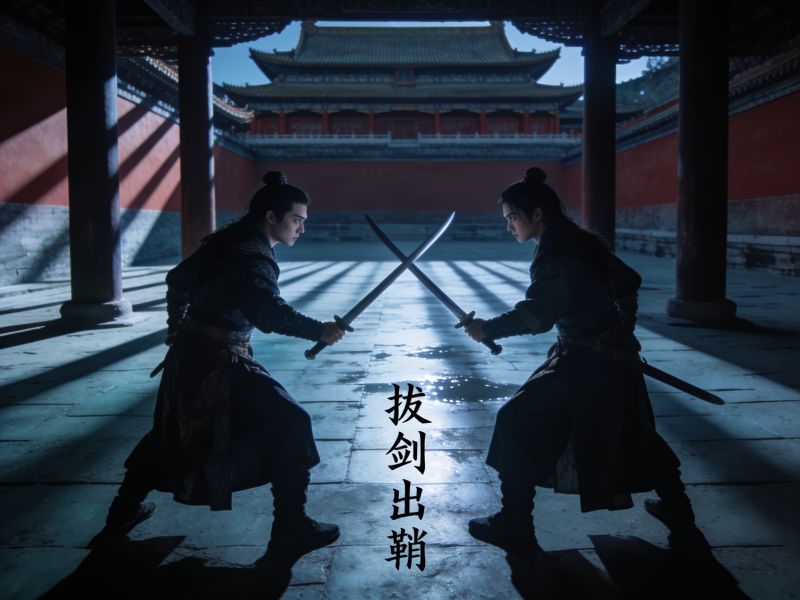
The supporting players add texture without stealing focus. A eunuch with a ledger of debts, a young courier who runs messages between gates, a retired swordsman who now repairs boots—each one gets a few sharp strokes of characterization. The eunuch。in particular, is a small marvel: he speaks in half-sentences and never finishes a thought, which makes his rare complete statement land like a verdict. These performers don't fade into the background;they make the Forbidden City feel lived-in, not just filmed.What holds the cast of "The Duel at the Forbidden City" together is a shared physical language. The fight choreography leans on short, economical movements—no wirework, no sweeping arcs. A duel in a storage room becomes a struggle over balance and breath. The guard's sword scrapes a shelf;the archivist kicks a stool into his path. It's messy, close, and believable. I found myself leaning forward, not because the stakes were grand。but because the actors made every inch of space matter.
The film's weaker moments come when the script asks the cast to explain motives outright. A late confession scene drags because the writing spells out what the performances had already suggested. Still, the ensemble recovers. The final shot—two figures separated by a courtyard, neither moving—rests entirely on the actors' faces. No score swells. No one wins. The cast of "The Duel at the Forbidden City" leaves you with a standoff that feels earned, not staged.