
ark Si-hoo's profile begins not with a grand debut but with a quiet entry into the entertainment industry. Born in 1978 in South Korea, he started his career in the early 2000s, but it was his role in the 2010 drama "Prosecutor Princess" that truly put him on the map. Before that, he had small parts in shows like "Delightful Girl Choon-hyang," but nothing that screamed future leading man. What changed?A shift to more complex characters. In "Prosecutor Princess。" he played a lawyer with a sharp tongue and a hidden soft side, and audiences noticed. That role earned him the KBS Drama Awards for Best New Actor, a turning point that redefined his trajectory.His filmography is not just a list of titles;it shows a deliberate avoidance of typecasting. After the success of "Prosecutor Princess," he chose "The Princess' Man" in 2011, a historical romance that could have been a safe bet. Instead, he brought a raw intensity to the role of Kim Seung-yoo, a scholar torn between love and revenge. The drama hit 20% ratings, and his performance was praised for its emotional depth. Then came "Cheongdam-dong Alice" in 2012, where he played a cold-hearted CEO. Critics noted his ability to switch from warm to icy in a single scene. This range is a key part of Park Si-hoo's profile—he does not rely on charm alone. He picks projects that challenge him, even if they fail commercially. For instance, his 2013 film "The Swordsman" underperformed at the box office。but his portrayal of a reluctant warrior showed a physicality he had not displayed before.Park Si-hoo's profile also includes a significant setback: a 2013 legal scandal that led to a hiatus. He was accused of sexual assault, though the case was eventually dropped. The fallout was severe. He stepped away from the spotlight for nearly two years. When he returned in 2015 with the drama "My Golden Life," some wondered if audiences would accept him. They did. The show topped 40% ratings, and his role as a wealthy heir with a conscience resonated. This comeback is not just a footnote;it is a testament to resilience. I observed that his later roles, like in "Lovely Horribly" (2018), carried a darker, more guarded energy. That shift felt authentic, not forced. He did not pretend the scandal never happened. Instead, he let it inform his work。
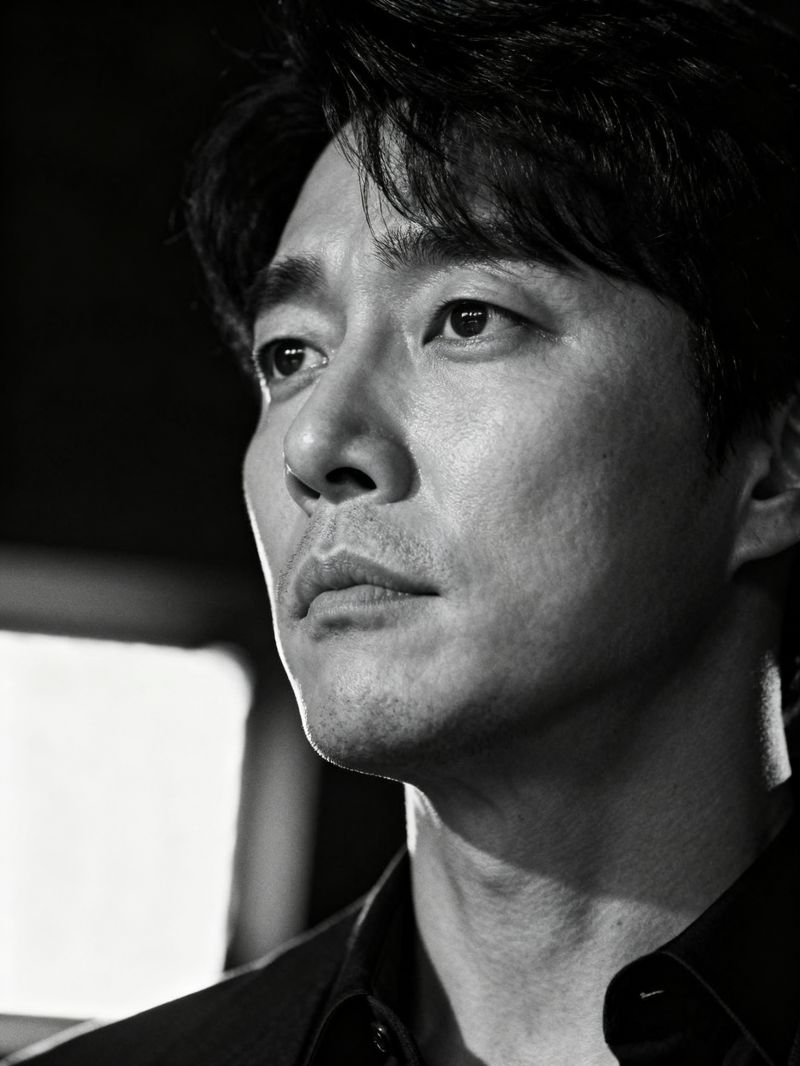
adding layers to characters who were flawed and trying to rebuild.Off-screen, Park Si-hoo keeps a low profile. He is not active on social media, rarely gives interviews。and avoids red-carpet drama. His agency once stated he prefers to let his acting speak. That reticence makes Park Si-hoo's profile harder to pin down than those of his peers. He is not a tabloid fixture. In 2020, he starred in "When My Love Blooms," a melodrama that drew modest ratings but solid reviews. Critics called his performance 'understated and lived-in.' That phrase fits him. He does not overact. A raised eyebrow or a pause often carries more weight than a shouted line. For fans, this is the appeal—he feels like a real person, not a manufactured star. His choice to take smaller roles in indie films, like "The Chase" (2017), shows a preference for craft over fame.
What does the future hold for Park Si-hoo?He has not announced a new project since 2021, but he is not retired. In interviews。he has mentioned a desire to direct. Whether that happens or not, his legacy is secure: a actor who weathered a storm and returned with quiet dignity. Park Si-hoo's profile is not about awards or viral moments. It is about the slow, deliberate building of a career that values longevity over flash. For anyone studying Korean entertainment, his path offers a lesson in patience. He did not chase trends. He waited. And when he came back, he did so on his own terms. That is rare.